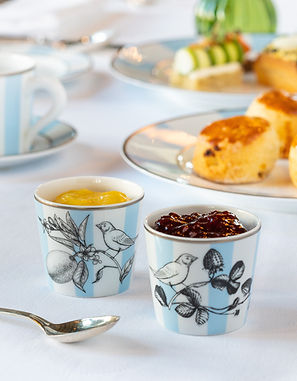
The Sweet Art of Jams, Preserves, & Honey
Jams, preserves, and honey are timeless sweet treats that have been cherished for centuries. Jams are typically made by cooking crushed fruit with sugar and pectin, resulting in a smooth, spreadable consistency, while preserves retain larger pieces or whole fruit, offering a chunkier texture and more pronounced fruit flavour. Honey, on the other hand, is a natural nectar collected by bees, celebrated for its rich, diverse flavours that vary depending on the flowers from which the bees forage. These delightful spreads not only bring a burst of sweetness to toast, pastries, and other dishes but also carry with them a deep connection to nature, tradition, and craftsmanship. Whether homemade or store-bought, each jar captures the essence of the seasons and the artistry of preserving the best that nature has to offer.
But what exactly sets jams, preserves, and honey apart? And why do they remain at the heart of culinary traditions worldwide? Let’s explore these delicious creations, their history, and their enduring appeal.

Jams, preserves, and jellies are often used interchangeably, but in the world of preserves, each has its distinct personality. At its core, all three are designed to capture the vibrant flavours of fresh fruits, but the key differences lie in their preparation methods and textures.
Jams are made by cooking crushed or pureed fruit with sugar and pectin until thickened. The result is a soft, spreadable consistency that bursts with fruit flavour. Think of the rich sweetness of a strawberry jam, with its deep red hue and luscious texture that clings to toast.
Preserves, on the other hand, are made with whole fruit or large chunks, resulting in a product that retains more of the fruit's shape. They tend to be a bit chunkier and less smooth than jams, allowing the natural taste and texture of the fruit to shine through.
Both jams and preserves can be made with almost any fruit: from the summer bounty of berries, peaches, and apricots to more exotic options like figs, mangoes, or even rhubarb. The choice of fruit, the balance of sweetness, and the right cooking technique can elevate a jar from a simple pantry staple to a beloved treasure.
The Golden Gift of Honey
While jams and preserves capture the flavours of fruits, honey is a creation all its own, a gift of nature straight from the hive.
Honey is the nectar collected by bees from flowering plants, and it is transformed inside the hive into the liquid gold we know and love. Unlike jams and preserves, honey doesn’t require cooking or added sugar, which makes it a more natural sweetener.
The flavour profile of honey is incredibly varied, depending on the flowers the bees visit. Clover honey, for example, is light and mild, while buckwheat honey has a bold, rich taste. Wildflower honey is another favourite, with a taste that can change depending on the season and location of the flowers. The versatility of honey extends beyond just being a sweetener for tea or drizzled over yoghurt; it’s used in baking, as a glaze for meats, and even in skin care treatments.
One of honey’s most cherished qualities is its health benefits. Raw honey contains antioxidants, enzymes, and trace amounts of vitamins and minerals. It’s been used for centuries in folk medicine for soothing sore throats, promoting digestive health, and even aiding in wound healing.


For jams and preserves, the process is simple but requires patience and the right ingredients. Fresh, ripe fruit is essential, as it will provide the best flavour and natural pectin, which helps the preserve set. A bit of sugar (often with added pectin), especially for jam and a splash of lemon juice are the usual ingredients to bring it all together. The fruit is cooked down until it reaches a thick, spreadable consistency, then sealed in sterilised jars for preservation. While the process may take a few hours, the result is worth every minute. Not to mention, you’ll have a jar full of summer sunshine to enjoy all year long.
When it comes to honey, the process is a bit more involved, requiring the expertise of a beekeeper. Beekeepers harvest honey from their hives, taking care to ensure the bees remain healthy and their colonies thrive. For those interested in getting into beekeeping, it’s a rewarding hobby that not only provides you with fresh, local honey but also helps sustain the vital pollinator population.
Once you’ve got a jar of homemade jam, preserves, or honey in hand, the world of culinary possibilities opens up. These spreads are perfect for slathering on morning toast or stirring into oatmeal, but they can also elevate dishes in unexpected ways.
Savoury Pairings
Sweet spreads work wonderfully in savoury applications. Try pairing a fig preserve with a cheese platter or using a berry jam as a glaze for roasted meats, such as duck or pork. The contrast of sweet and savoury is a sophisticated and surprising delight.
Desserts
Jams and preserves make fantastic fillings for cakes, pastries, and tarts. A little spoonful of wild strawberry jam in the centre of a shortbread cookie can create a decadent bite of joy.
Beverages
Honey is the perfect addition to teas and cocktails. A spoonful of honey in your morning tea will soothe the soul, while a touch of clover honey can sweeten a whiskey cocktail like an Old Fashioned.
In today’s fast-paced world, there’s something deeply nostalgic about opening a jar of homemade jam or pouring a dollop of golden honey. It reminds us of simpler times, of the seasons passing, of the labour that goes into each batch, and the love that accompanies every jar. These sweet creations are a testament to the timeless art of preserving the flavours of nature, offering a taste of tradition and a touch of sweetness in every spoonful.
The history of jams and preserves dates back centuries, with their origins rooted in the need to preserve fruit for times when it was out of season. Before refrigeration and modern preservation methods, people relied on preserving the bounty of their harvest to ensure food security during the colder months.
The earliest forms of fruit preservation involved drying, salting, or pickling, but the technique of preserving fruit with sugar emerged around the 16th century. The practice is believed to have been popularised in Europe, particularly in the Mediterranean region. Sugar, which was once a luxury item, became more accessible during the Middle Ages due to trade routes connecting Europe with the East. This increased availability of sugar led to its use in preserving fruits.
In the 17th century, the English began to develop more sophisticated methods of making jams and preserves, and it was during this period that the term “jam” came into popular use. The word “jam” is thought to have come from the French word "confiture", meaning preserve. This was a time when sweet fruit spreads became a luxury, enjoyed by the wealthy.
By the 19th century, with the advent of the Industrial Revolution, the demand for preserved fruit soared. In the United States, the process of canning, developed by French scientist Nicolas Appert in the early 1800s, helped make jam and preserves more widely available. The invention of glass jars, like the iconic Mason jar, further popularised the practice of home canning and allowed people to store and enjoy fruit preserves year-round.
Today, jams and preserves remain an essential part of many cultures’ culinary traditions, from the rich strawberry preserves of England to the tangy citrus marmalades of Spain. While the methods and ingredients have evolved, the basic concept of preserving fruits in sugar has remained largely unchanged, offering a sweet connection to history in every jar.
So next time you find yourself standing in front of a jar of strawberry jam, a pot of honey, or a batch of citrus preserves, take a moment to savour not only the flavour but the history, craftsmanship, and sweetness that have made these delights an enduring part of our culinary landscape.